



Admissions available 24/7
Mountain Springs Recovery
719-900-5980

Admissions available 24/7

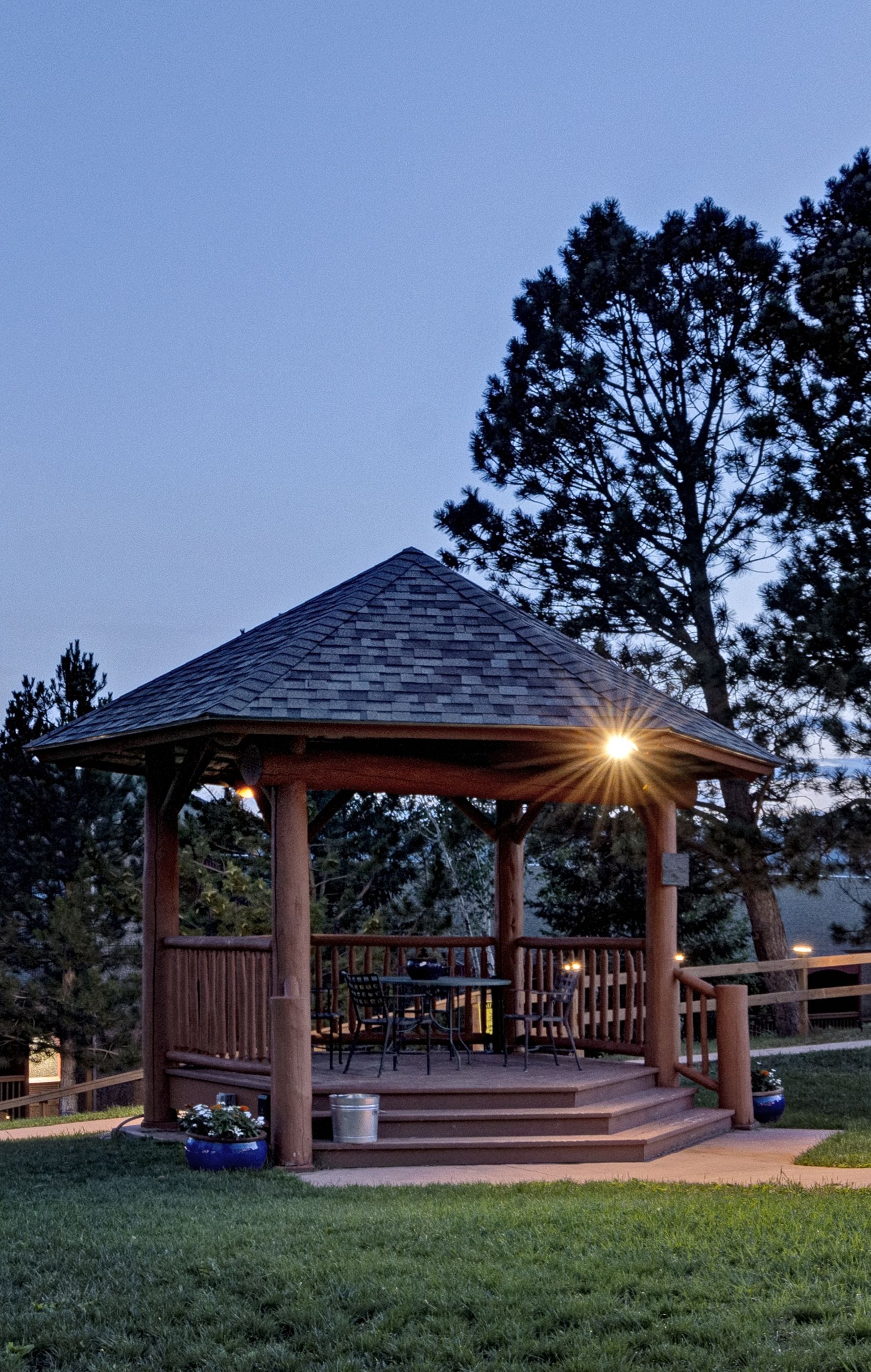
Gazebo and grounds at Mountain Springs Recovery at dusk

Monument, Colorado

Private Residential Trauma Treatment in Colorado


Residential care for trauma-related needs at a private, upscale facility in Monument, Colorado, with psychiatric support and individual and group therapy. Phones and laptops are allowed, with a range of in-network options.

Explore treatment & the campus
In-network
10 acres
Accredited
Phones allowed

A word fromour director.

Mountain Springs combines serious clinical care with the comfort of a beautiful Colorado campus.

Ryan Rodriguez, Executive Director at Mountain Springs Recovery
Ryan RodriguezExecutive Director

Private treatment. Your insurance. Three clear steps.

Discuss trauma-related needs and confirm any required PTSD-specific methods before arranging care.

  1. Discuss your clinical needs

    Tell the team about your current concerns, previous care, medication and the support you need. Admissions can arrange a clinical discussion of suitability and explain the next steps for the mental-health program.

  2. Make the most of your benefits

    Review benefits for the residential mental-health care proposed, including network status, approval requirements and possible costs. The benefits check is free and is separate from the clinical suitability discussion.

  3. Plan your arrival

    Confirm clinical suitability, current availability and room arrangements before arriving. Ask about packing, phones and laptops, and how to prepare for the daily treatment routine.

Mountain Springs review

Wonderful staff and clinicians.

PeterReview excerptExcerpt · Mountain Springs Recovery

A dedicated clinical program

Residential treatment for trauma-related concerns.

Treatment planning considers your needs, previous care and the level of support available in the residential mental-health program.

A separate residential program

Evaluation, therapy and medication planning.

Trauma-related care is part of the primary mental-health program. Substance use is not required. Discuss current concerns, treatment history and the level of support you need so the team can consider whether this residential setting is appropriate.

  1. Primary mental-health treatment without a substance-use requirement
  2. Trauma-focused therapy within the broader program
  3. Psychiatric evaluation and medication management

Private residential treatment

Evaluation, medication and therapy.

Psychiatric evaluation and medication management are offered alongside individual and group therapy in the residential mental-health program. Discuss your concerns and treatment history as the team considers an appropriate plan.

  1. Psychiatric evaluation
  2. Individual medication-management planning
  3. Therapy within a residential program
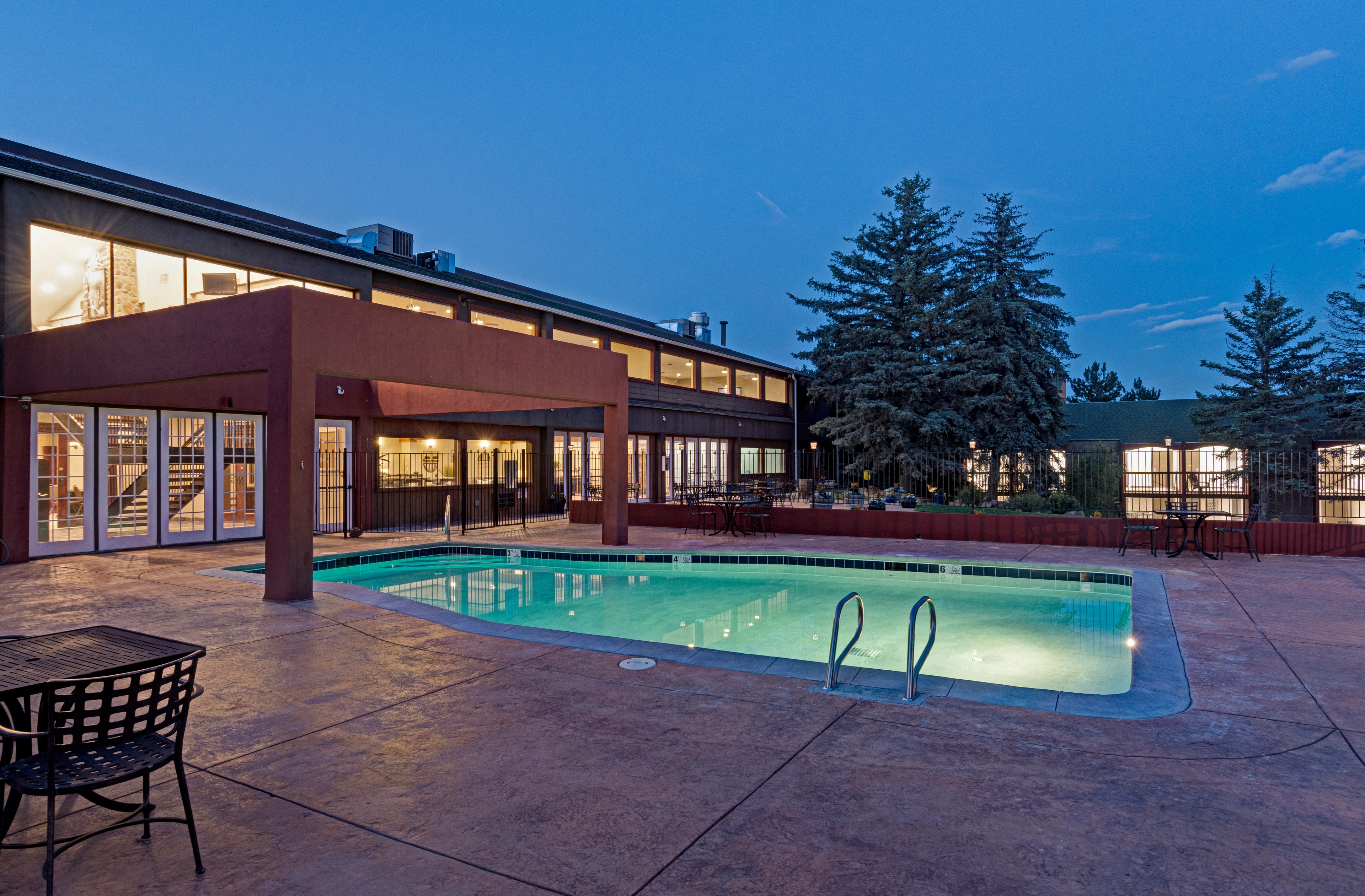
Seasonal outdoor pool and illuminated Mountain Springs campus buildings at dusk
Seasonal outdoor pool at our Monument campus

Upscale amenities. Everyday comfort.

Time between sessions.Space to spend it.

Around trauma-related care, the campus provides places for everyday rest and activity. The gym, fishing pond, trails and seasonal outdoor pool are shared amenities. Equine therapy is available, with activities considered around treatment.

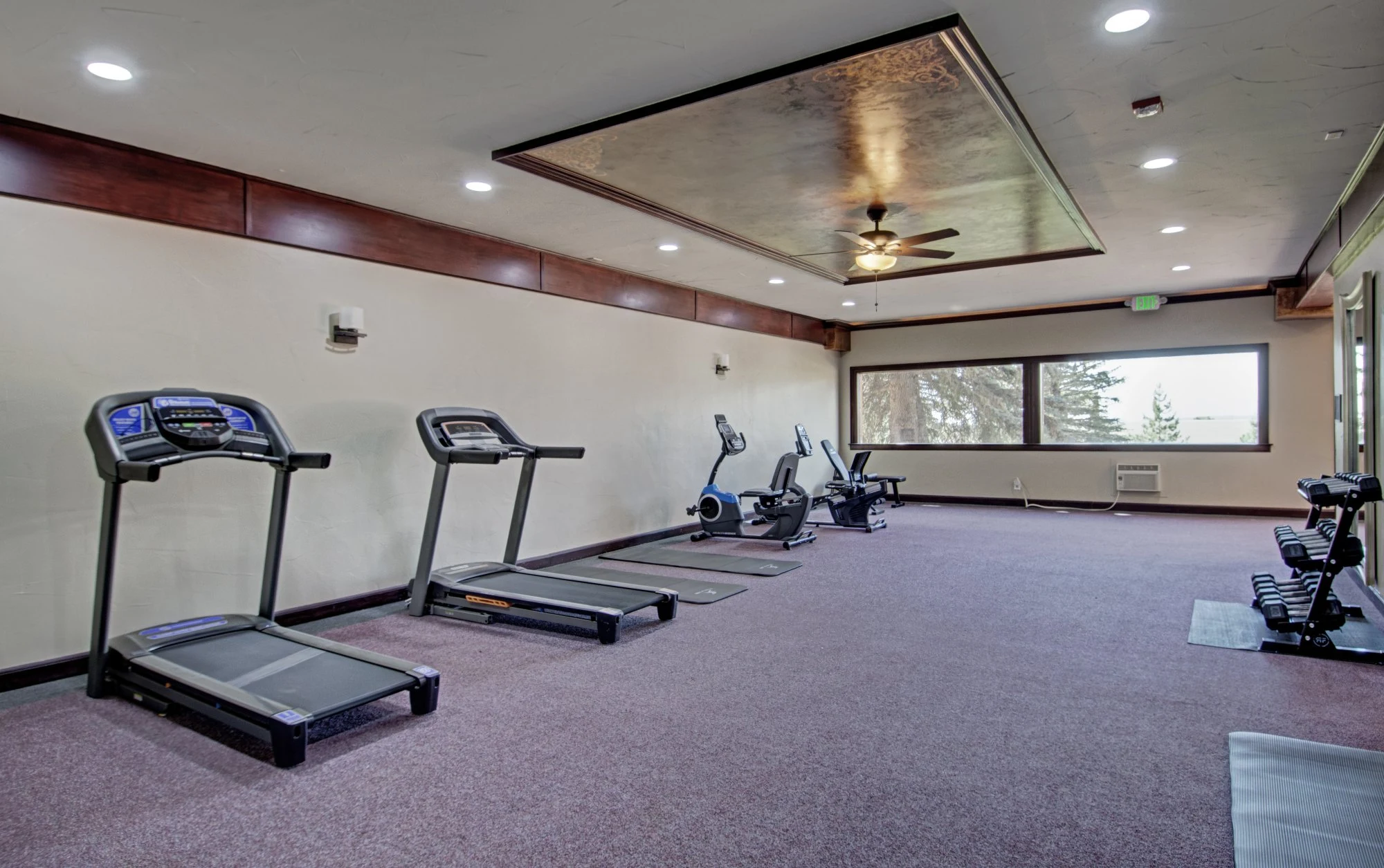
  • Full gym
  • Fishing pond & trails
  • Equine therapy

Mountain Springs Recovery

Experiences of ourColorado campus.

Published Mountain Springs reviews about the facility and staff.

Very comfortable. Clients become a family.

DamianPublished on Mountain Springs Recovery

…you feel comfortable and safe.

JenaExcerpt · Mountain Springs Recovery

Great people, great experience.

JamesExcerpt · Mountain Springs Recovery

1 / 3: Damian

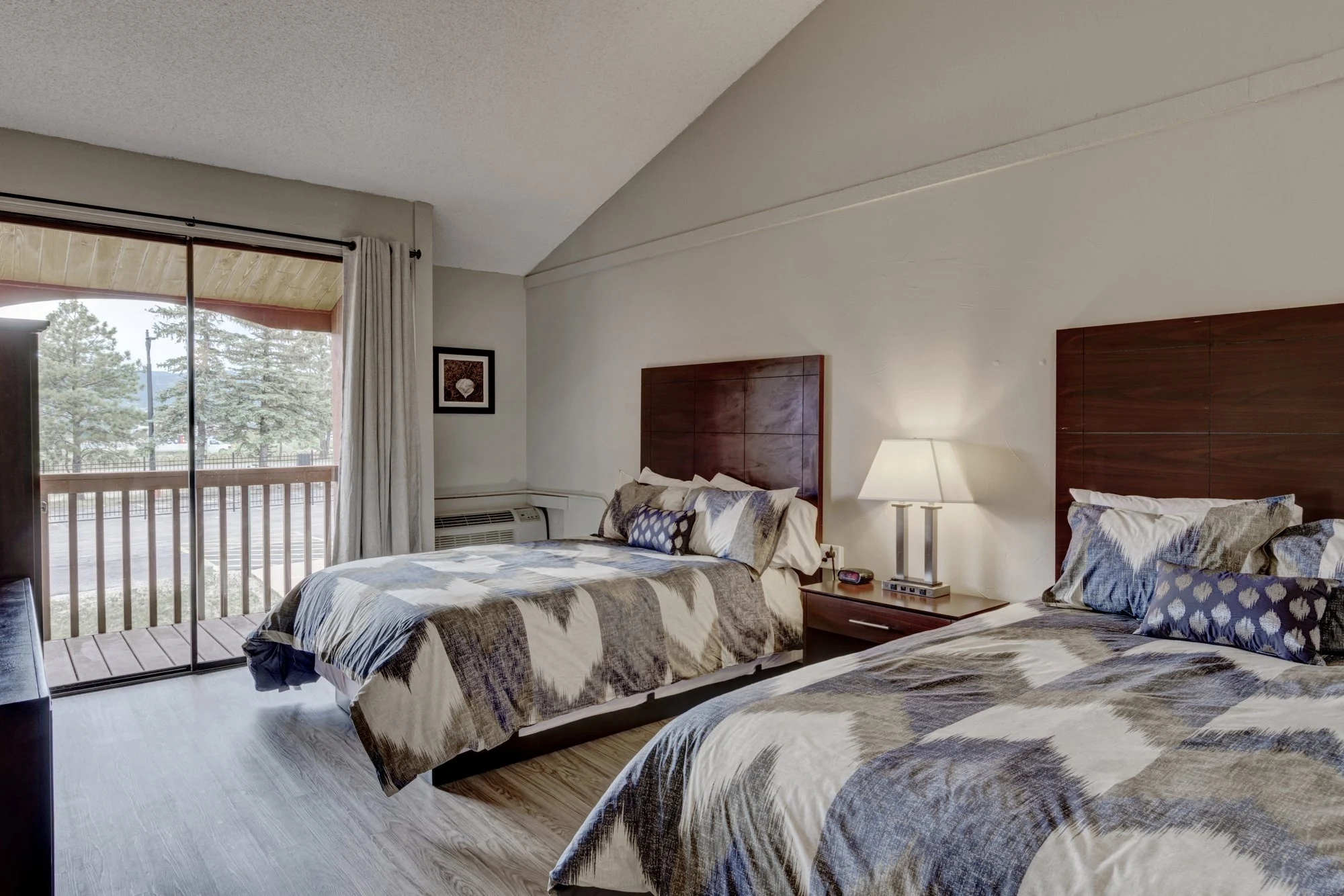
Two-bed semi-private room with a balcony at Mountain Springs Recovery
Semi-private accommodation at the Monument campus

Phones & laptops allowed

Semi-private accommodation.Stay connected.

A residential stay includes semi-private accommodation and time around clinical sessions. Phones and laptops are allowed so you can maintain contact with loved ones. Ask about room options and daily expectations while discussing suitability.

  • Semi-private accommodation
  • Private rooms on request, subject to availability
  • Phones & laptops allowed
The setting & access to care

Our Monument campus.Clear care pathways.

Explore the residential setting and ask about the appropriate care pathway. Clinical suitability and any required specialist services are considered separately.

10acres

Our Monument campus.

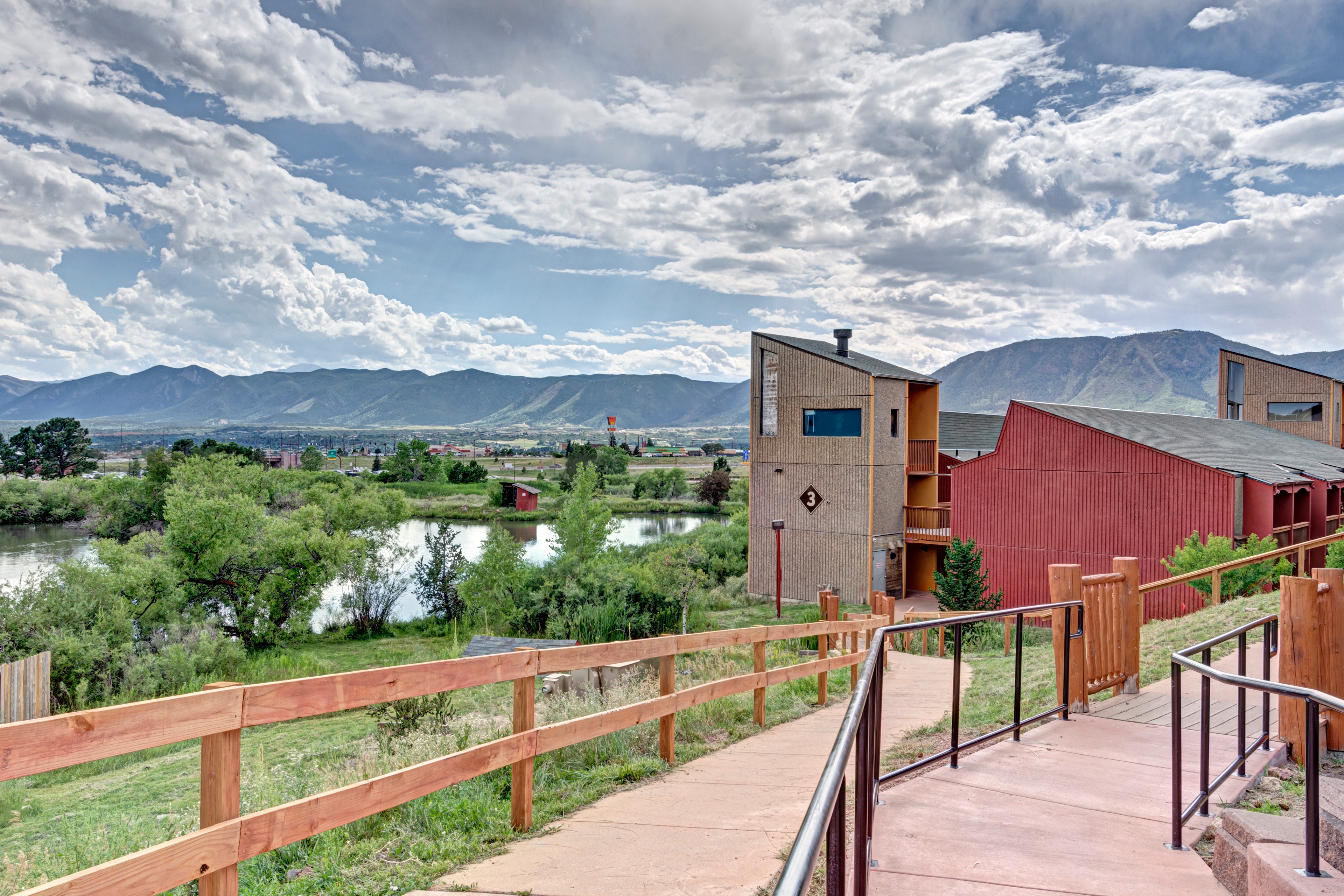
Rooms, shared spaces, a fishing pond and trails around the clinical setting.

24/ 7

Admissions availability.

Ask about the program and arrange a discussion of the clinical support you need.

2pathways

Distinct care programs.

Primary mental-health treatment is separate from addiction care with co-occurring support.

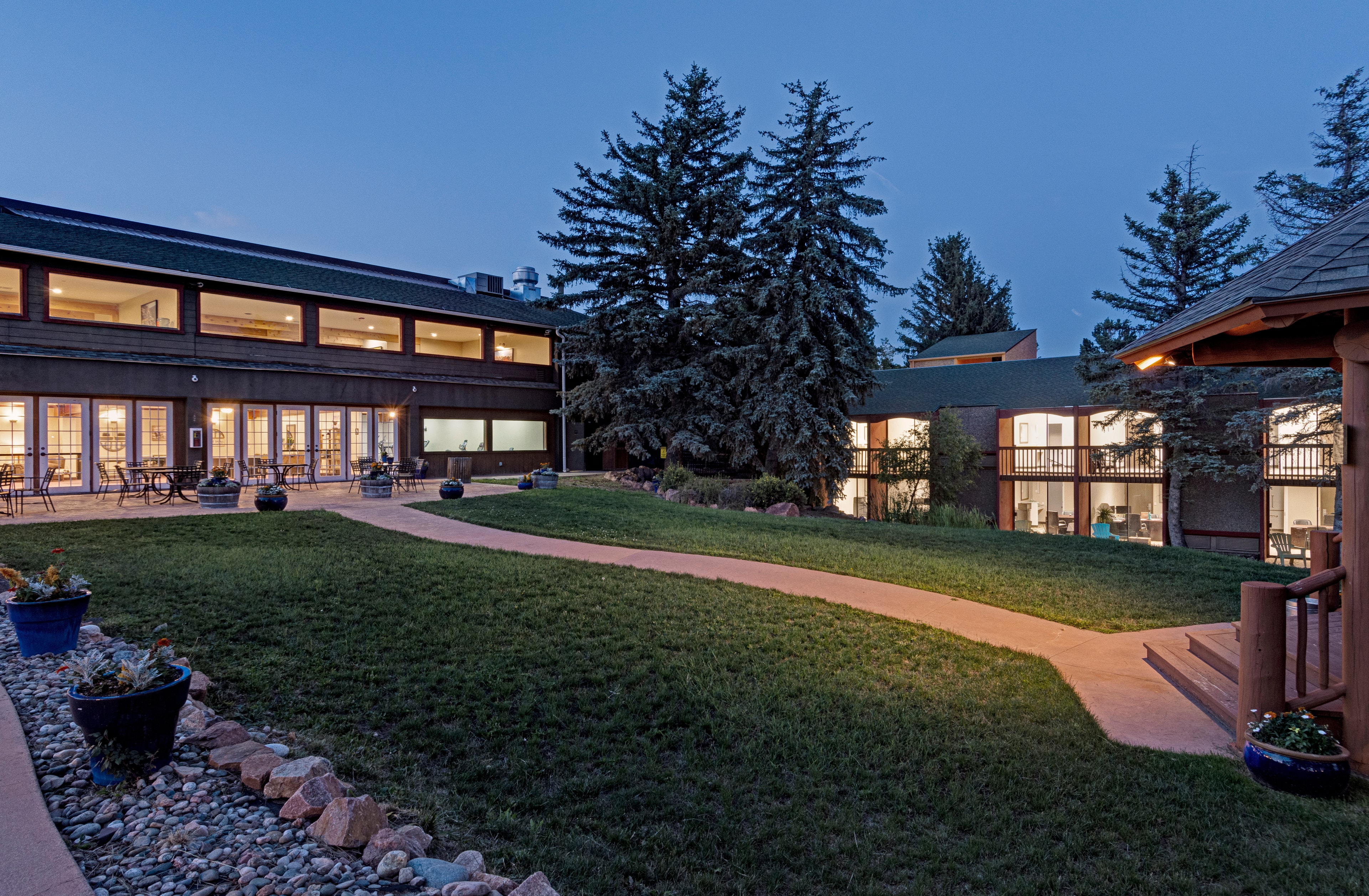
Mountain Springs Recovery courtyard and campus buildings at dusk

Residential mental-health care

Trauma-focused care.A clear discussion of methods.

Trauma-focused therapy, individual and group therapy, psychiatric evaluation and medication management are available within the mental-health program. Ask which methods fit your needs and who provides them. PTSD-specific services, including EMDR or prolonged exposure, require separate confirmation before choosing care on that basis.

  • Primary mental-health treatment without a substance-use requirement
  • Trauma-focused therapy within the broader program
  • Psychiatric evaluation and medication management
  • PTSD-specific methods and suitability confirmed individually

Broad in-network options

Check residential mental-health benefits.

Ask about residential mental-health benefits for the trauma-related care proposed. Any particular PTSD methods needed should be confirmed with the clinical team, alongside the separate policy review of coverage and costs.

Coverage, network status and requirements vary by policy and proposed care. A benefits check does not guarantee full payment or admission.

Review benefits for residential mental-health care.

A free benefits review can clarify the policy requirements and possible costs of the proposed residential mental-health care. It does not commit you to a stay.

Your information is sent securely to our admissions team.

Your Contact Information

Your Contact Information

Insurance Information

Insurance Information

Optional — Helps Us Check Your Plan

Mental-health care questions

Questions before you decide.

Clinical fit and residential care

Is substance use required?

No. Primary mental-health care is separate from addiction treatment. You can discuss trauma-related needs without substance-use concerns.

What trauma-focused care is confirmed?

Trauma-focused therapy is confirmed within the broader mental-health offer, alongside individual and group therapy and psychiatric care. Suitability and the individual treatment plan still require clinical discussion.

Which PTSD-specific methods are available?

Specific PTSD methods must be confirmed with the clinical team. Ask directly whether EMDR, prolonged exposure or any other required PTSD-specific method is available.

How is suitability determined?

The team considers your concerns, history, current support needs and the care available. Discuss methods and fit before arranging a residential stay.

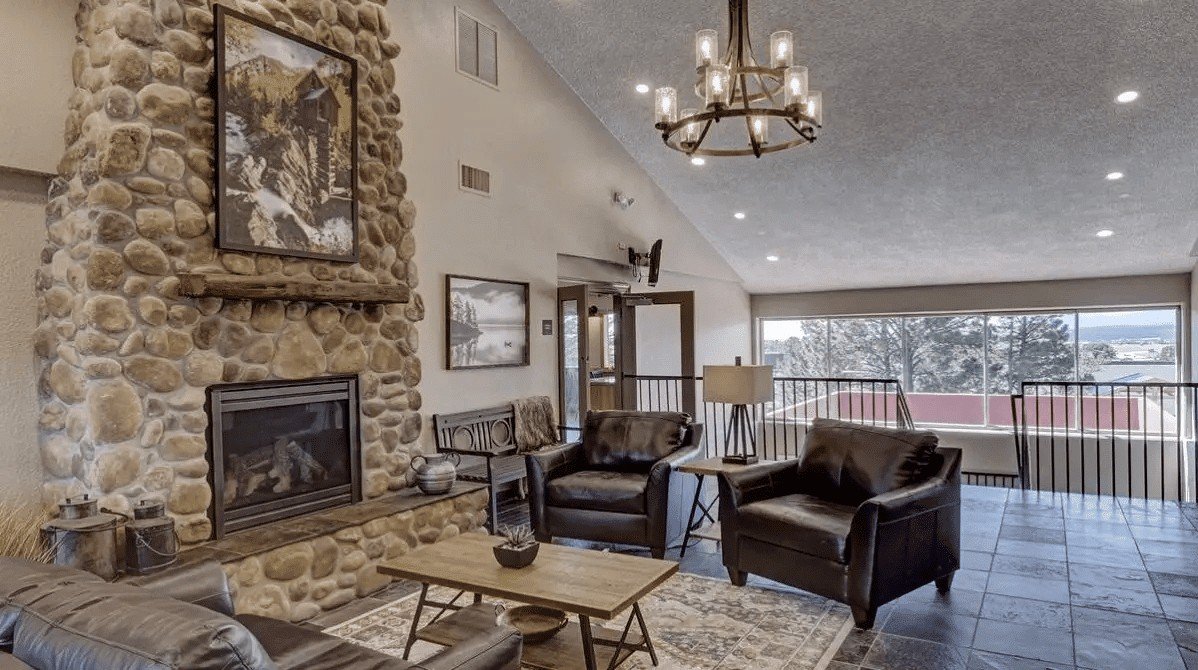
Mountain Springs Recovery shared lounge with seating and a stone fireplace

Admissions available 24/7

Discuss trauma-related treatment needs.

Ask about the care offered, relevant methods and whether the residential program is appropriate.

Admissions is available 24/7.